Cables replaced as a pair
Both lift cables are usually swapped together so the tension stays even. Ask the provider to check the drums for grooving and the bottom brackets for rust.
Lift cables and rollers are small parts doing heavy work. When one slips, frays or seizes, the door goes out of square fast. An independent provider can release the tension safely and replace what has worn.
Cables and rollers are the first parts to show coastal wear. Garages east of Federal Highway and anywhere near the Intracoastal take salt-laden air every day, and the fine strands of a lift cable corrode long before the panels look anything other than fine.
The bottom bracket a cable attaches to is under full spring tension even when the door is down. It is not a bracket to loosen at home. If a cable has come off, stop using the opener and leave the door where it is until someone can secure the drums.
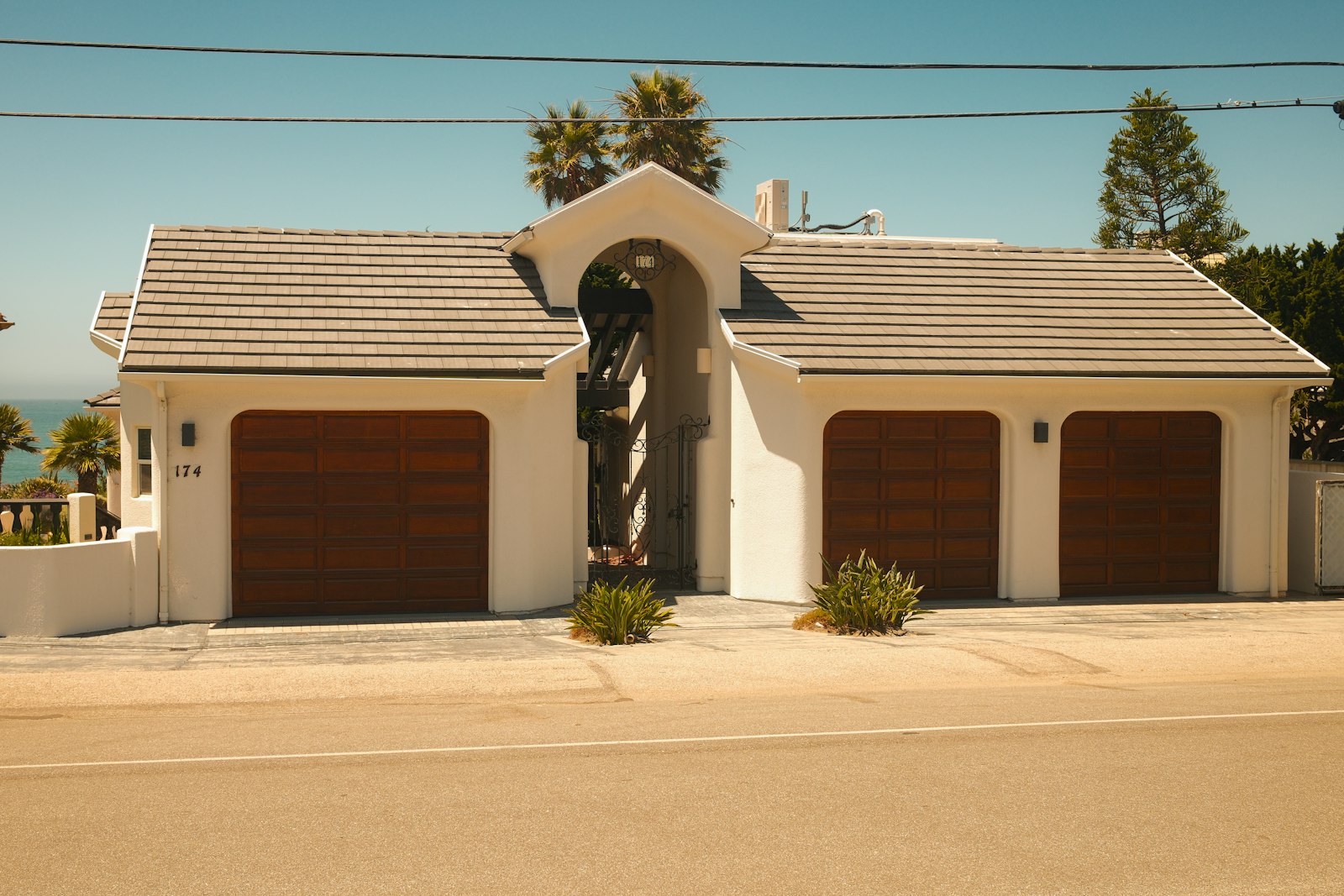
Cable and roller work is usually combined with a check of everything the cable runs through, since a rough drum or bent track will chew through a new cable.
Both lift cables are usually swapped together so the tension stays even. Ask the provider to check the drums for grooving and the bottom brackets for rust.
Worn steel rollers can be replaced with sealed nylon rollers on most doors, which run noticeably quieter. The hinges they sit in are inspected at the same time.
Once new parts are on, the door is re-squared in the opening, the track is checked for bends and the travel is tested from top to bottom.
A cable that has jumped its drum is usually the visible end of a longer story: a spring losing tension, a roller seizing or a door that has been forced while binding. The inspection should explain what started it.
If the door also came off its guides, see off-track repair. Where the bottom section has rusted through around the brackets, panel replacement and the repair versus replacement guide are the next things to read.
Coastal streets in Highland Beach see this wear first. The rest of the coverage is listed on the service areas page.
There is no fixed lifespan, but cables within a mile or two of the ocean usually show rust sooner than the same part inland. The honest answer is to have them looked at whenever the door is serviced rather than waiting for a break.
No. Once one cable is slack the door can drop or twist without warning, and the second cable is carrying load it was not designed for on its own. Keep everyone clear of the opening and have a trained provider secure it.
Usually yes. Sealed nylon rollers run quieter than worn steel ones, and replacing the hinges they pivot in removes another source of rattle. The guide to a noisy garage door explains what else makes noise.
Do not. Lift cables are not meant to be oiled, and grease holds the salt and grit that wear them. Rollers, hinges and bearings are the parts that take lubricant, and only a light application in the right places.
Call, describe what the door is doing and ask about provider availability.