Model and section identification
The label inside the door, the section profile and the hardware tell the technician which replacement will actually fit. Close-enough panels do not seal or align properly.
One damaged section does not always mean a new door. An independent provider can check whether a matching panel can still be sourced for your model and whether the rest of the door is worth building on.
The bottom section takes the worst of it in this climate. Rain driven under the seal, humid air and salt carried inland all work at the steel from below, and a panel can be sound at eye level while the bottom flange is flaking away.
Storm debris is the other common cause. A section that has been struck can look repairable while the stile behind it is cracked, which is why the hinge fixings and the ends of the panel get checked before a quote is given.
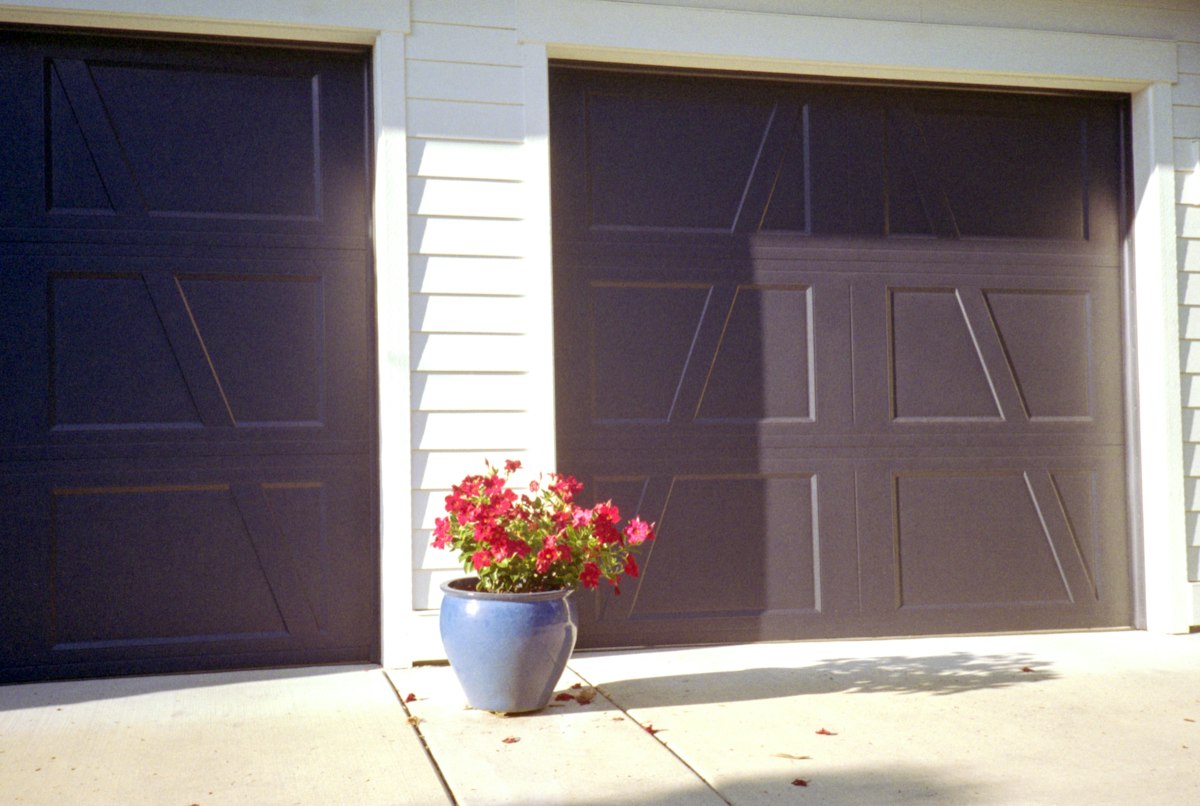
Panel work depends on two things: whether the section is still available for your door, and whether the remaining sections justify the outlay.
The label inside the door, the section profile and the hardware tell the technician which replacement will actually fit. Close-enough panels do not seal or align properly.
Older doors from the 1990s often have discontinued sections. Where a match can be found, the color of a new panel against sun-faded neighbors is discussed honestly before ordering.
Hinges, rollers, struts and the bottom bracket are inspected around the damaged area, because a bent section usually took the hardware with it.
A single damaged panel on an otherwise sound door is normally worth replacing. Once two or more sections are gone, or the bottom rail has rusted through, the arithmetic usually favors a new door instead.
Work through the points in the repair versus replacement guide before deciding, and look at what a new installation covers if the door is already twenty years old.
If the damage happened when the door left its guides, off-track repair comes first. Coverage across the area is listed on the service areas page.
Often yes, provided the section is still made for your door model and the rest of the door is sound. Ask the provider to check availability before quoting so you are not left with a door waiting on a part that no longer exists.
A new section arrives in its factory finish, which will look fresher than panels that have been in Florida sun for years. Some owners repaint the whole door afterwards; the provider can tell you how noticeable the difference is likely to be.
It depends how far it has gone. Surface rust on the skin is one thing; perforation through the bottom rail where the brackets and cables mount is a safety issue and usually points toward replacing the door.
Stocked sections for common doors are usually quick. A discontinued profile, a custom color or a wide commercial section can take longer, so ask the provider for the expected timing with the quote.
Call, describe what the door is doing and ask about provider availability.